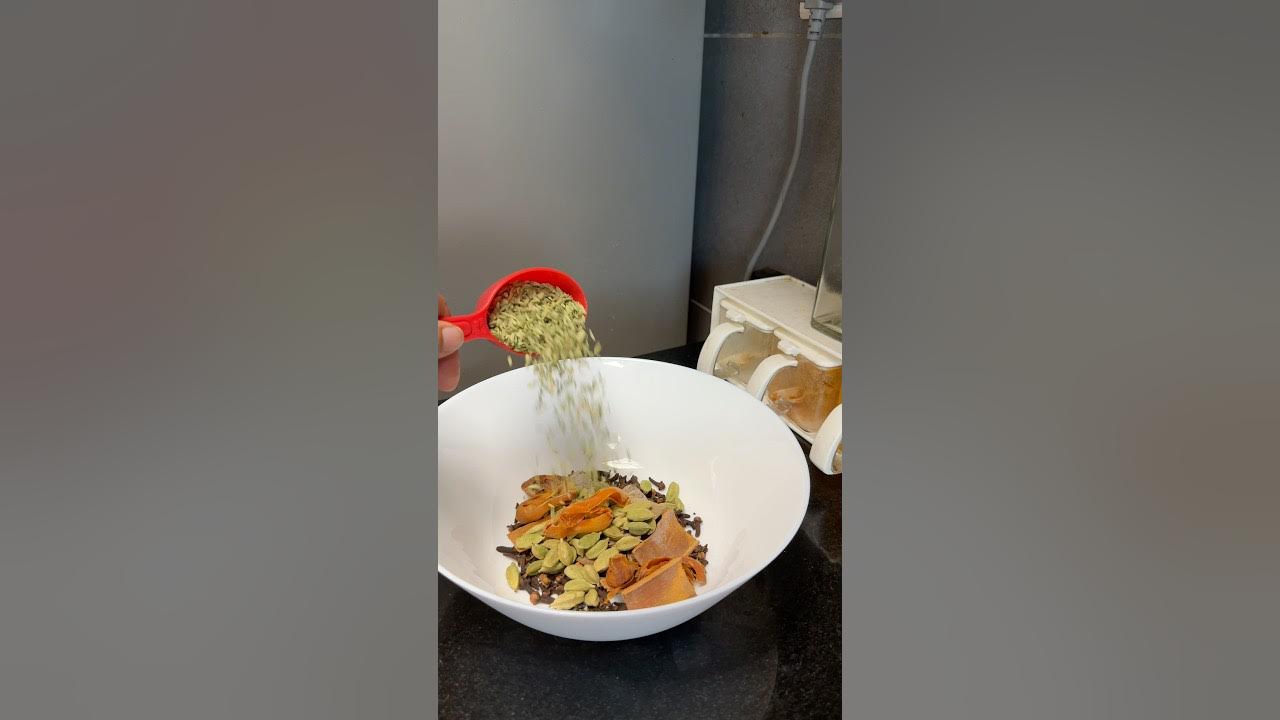
DIY Garam Masala: Fresh Spices for Superior Indian Taste
There's a secret ingredient that elevates Indian cuisine from simply good to truly unforgettable: fresh, vibrant garam masala. While convenient pre-mixed blends line grocery store shelves, nothing compares to the profound depth of flavor and intoxicating aroma of a homemade batch. Imagine infusing your curries, stews, and marinades with a spice blend so potent and perfectly balanced, it transforms every dish into a culinary masterpiece. That's the power of DIY garam masala, and it's far easier to achieve than you might think.
This "warming spice mix," as its name literally translates, is the cornerstone of countless Indian dishes. It brings a huge personality, adding aromatic complexity and a comforting warmth that commercial versions often lack. If you're craving that authentic, restaurant-style Indian chicken curry, the flaky perfection of Punjabi samosas, or the soul-satisfying richness of lentil daal, starting with your own handcrafted garam masala is the ultimate upgrade. It's an investment in flavor that pays dividends in every delicious bite.
Why Go DIY? The Unrivaled Advantage of Fresh Garam Masala
The culinary world often champions fresh ingredients, and spices are no exception. The moment whole spices are ground, their volatile essential oils—the very essence of their flavor and aroma—begin to dissipate. Store-bought garam masala, often sitting on shelves for months, will inevitably have lost much of its potency. But when you grind your own from whole, freshly roasted spices, you capture these precious oils at their peak, unleashing a burst of bold, authentic flavor that ready-made blends simply can't match.
Think of it like freshly ground coffee versus instant. There’s no comparison in richness, aroma, or taste. The same principle applies to your homemade garam masala. Starting with whole spices ensures a potent dose of their natural essential oils, meaning every sprinkle is brimming with warm, vibrant flavor. This isn't just a subtle difference; it's a game-changer for your cooking, imbuing dishes with a character and richness that will have everyone asking for your secret.
Beyond freshness, the greatest advantage of making your own garam masala lies in its unparalleled customizability. Do you prefer a blend that leans spicier, or perhaps one with more earthy notes? Are you particularly fond of the floral aroma of cardamom, or perhaps you're not a fan of fennel? With store-bought mixes, you're stuck with whatever is in the bottle. But when you create your own, you become the master alchemist. You can tailor the proportions to your heart's content, adjusting the blend to perfectly suit your personal taste, regional preferences, or even specific dietary needs (like avoiding black pepper due to an allergy). This level of control allows you to craft a signature blend that is uniquely yours, making your Indian dishes truly stand out.
Decoding Garam Masala: More Than Just "Hot Spice"
The name "Garam Masala" literally translates to "hot spice mix," but don't let that mislead you into thinking it's about blistering chili heat. Instead, the "hot" refers to the warming qualities of the spices themselves – a sensation that warms the body from within, rather than a pungent, capsaicin-induced burn. This blend is about creating a comforting, aromatic warmth through a careful symphony of spices, which are often believed to "heat" the body in Ayurvedic tradition.
At its heart, garam masala is about balance. While the exact ingredients and their proportions vary wildly from region to region across India, and even from household to household, the goal is always a harmonious blend. Some regional variations might lean spicier, others more earthy and smoky, while still others might be sweeter and more floral. This diversity is a testament to India's rich culinary tapestry. Making your own at home empowers you to explore these nuances and tailor the flavor profile precisely to your palate, providing yet another compelling reason to embark on this rewarding culinary journey.
The Essential Spices: A Symphony of Flavor
The magic of garam masala lies in the interplay of its constituent spices, each contributing a unique note to the overall symphony. Understanding these individual contributions can help you appreciate the blend and even inspire your own customizations:
- Coriander Seeds: Lightly citrusy and subtly sweet, coriander seeds provide a fresh, almost lemony counterpoint. Their delicate flavor balances the warmth of deeper spices, adding brightness and complexity. When dry roasted, they develop an even more profound, nutty aroma.
- Cumin Seeds: Earthy, nutty, and with a distinct smoky undertone, cumin forms the savory backbone of many warming spice mixes, including garam masala and even taco seasoning. Its rich depth provides a grounding flavor that ties the other spices together.
- Black Cardamom Pods: These large, wrinkled pods are powerhouses of flavor. They offer a bold, smoky profile with intriguing notes of resin and menthol. Black cardamom lends a deep, almost barbecued aroma that contributes significantly to garam masala's signature intensity and robustness.
- Green Cardamom Pods: In contrast to their black counterparts, green cardamom pods are sweet, intensely floral, and delicately spicy. They provide an aromatic top note that brightens the entire blend, imparting a luxurious, perfumed quality. Always look for plump, bright green pods for the freshest flavor.
- Black Peppercorns: Pungent and sharp, black pepper adds a gentle heat and a subtle bite, enhancing the overall complexity without overpowering it. While any whole black peppercorns work, varieties like Tellicherry (larger, more aromatic with fruity heat) or Malabar (slightly smaller, more intense) can introduce subtle nuances.
- Cinnamon Sticks: A classic warming spice, cinnamon brings a sweet, woody, and slightly peppery note. Depending on whether you use Ceylon (true cinnamon, milder, more complex) or Cassia (stronger, spicier), you can adjust the depth of sweetness and warmth.
- Cloves: These small, intensely aromatic flower buds deliver a pungent, sweet, and somewhat bitter flavor. Cloves are incredibly potent, so a small amount goes a long way in adding a deep, resonant warmth to the blend.
- Nutmeg (Whole): Grated fresh, nutmeg imparts a warm, sweet, and slightly musky aroma. It rounds out the blend with its distinctive comforting essence. A pinch of mace, the lacy covering of the nutmeg seed, can also be included for a slightly more delicate, peppery note.
Crafting Your Signature Blend: A Step-by-Step Guide
Creating your own garam masala is a wonderfully sensory experience, beginning with the visual appeal of whole spices and culminating in an intoxicating aroma. Here’s how to do it:
- Gather Your Whole Spices: Start with fresh, good quality whole spices. Avoid pre-ground versions for this process, as they lack the vibrant oils you're aiming to release. Common ingredients typically include coriander seeds, cumin seeds, black cardamom, green cardamom, black peppercorns, cinnamon sticks, cloves, and whole nutmeg. You might also find star anise, bay leaves, or fennel seeds in some regional variations.
- Dry Roasting is Key: This is the crucial step that awakens the spices' dormant flavors and aromas. Place your whole spices in a dry, heavy-bottomed pan or skillet over medium-low heat. Toast them gently, stirring frequently, for about 2-5 minutes. You'll know they're ready when they become fragrant and perhaps a shade darker. Be careful not to burn them, as this will impart a bitter taste. Remove from heat immediately and transfer to a plate to cool completely. This prevents residual heat from over-toasting.
- Grind to Perfection: Once the spices are cool, transfer them to a dedicated spice grinder or a clean coffee grinder. Grind them into a fine powder. For the best results, grind in short bursts to prevent the spices from overheating, which can compromise their flavor. If you find the powder isn't fine enough, you can sift it through a fine-mesh sieve and re-grind any larger pieces.
- Storage for Longevity: Store your freshly ground garam masala in an airtight container, ideally a glass jar, away from direct sunlight and heat. While it will retain its peak potency for 2-3 months, it will remain usable for much longer. For optimal freshness, consider making smaller batches more frequently.
Customization Tip: As you become more comfortable, experiment with different ratios. For a spicier blend, increase the black pepper or add a tiny piece of dried red chili (roast it with the other spices). For a sweeter, more aromatic blend, increase green cardamom and cinnamon. The possibilities are endless!
Unleashing the Magic: How to Use Your Homemade Garam Masala
Once you have your fresh batch of homemade garam masala, you'll find countless ways to incorporate its vibrant flavors into your cooking. Its versatility is truly remarkable:
- Curries and Stews: This is its most classic application. Add a spoonful or two towards the end of the cooking process for curries like chicken tikka masala, lamb rogan josh, or vegetable curries. This allows its delicate aromas to shine without being cooked away.
- Marinades: Incorporate garam masala into marinades for meats, poultry, fish, or paneer. It adds a wonderful depth and warming spice that tenderizes and flavors simultaneously.
- Lentil Daals and Soups: Stir a dash into your favorite daal recipes (like masoor dal or moong dal) or vegetable soups for an instant boost of Indian-inspired flavor and aroma.
- Rice Dishes: Elevate plain rice or transform a simple pulao or biryani by adding a pinch of garam masala. It infuses the grains with an aromatic warmth.
- Snacks and Appetizers: Sprinkle it over roasted nuts, spiced chickpeas, or even homemade samosas and pakoras for an extra layer of authentic taste.
- Vegetable Dishes (Sabzis): A final dusting over sautéed vegetables like aloo gobi or bhindi fry can tie all the flavors together beautifully.
Remember, because your homemade garam masala is so potent, you might find you need slightly less than what a recipe calls for if it's written for commercial, pre-ground blends. Start with a smaller amount and adjust to taste.
Embracing the art of making your own garam masala is more than just a culinary technique; it's an invitation to experience Indian flavors in their purest, most vibrant form. The journey from whole spices to a fragrant, custom-blended powder is incredibly rewarding, culminating in dishes that boast an unparalleled depth and authenticity. So, the next time you're whipping up an Indian feast, do yourself and your palate a favor: reach for your homemade garam masala. You'll taste the difference, and your cooking will be forever transformed.
