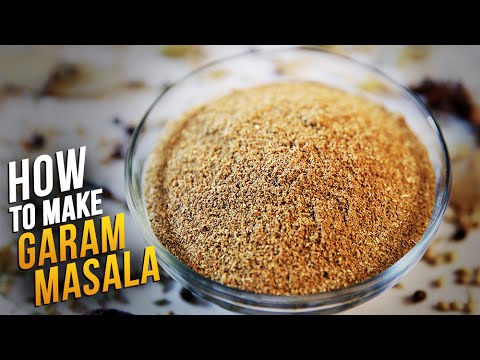
Unlock Authentic Indian Flavor with Homemade Garam Masala
Imagine the rich, aromatic complexity that elevates an Indian curry from good to truly exceptional. That unmistakable depth, that warming embrace of spices – it often comes down to one pivotal ingredient:
garam masala. While readily available in stores, crafting your own homemade garam masala blend is a culinary journey that promises an unparalleled explosion of fresh, authentic Indian flavor, transforming your home cooking into a gourmet experience. It's not just a spice mix; it's the very soul of Indian cuisine, a secret weapon in every discerning cook's pantry.
What Exactly is Garam Masala? More Than Just "Hot Spice"
The name "garam masala" literally translates from Hindi to "hot spice mix," but don't let that fool you into expecting fiery heat like that from chili peppers. Instead, the "hot" refers to the *warming* qualities of the spices themselves – a sensation that stimulates the palate and body, creating a comforting, profound flavor profile. This essential Indian spice blend is a cornerstone of regional cooking across India, lending its distinctive character to everything from robust meat curries and lentil daals to delicate vegetable dishes and savory snacks like samosas.
At its heart, garam masala is a symphony of carefully selected whole spices, typically dry-roasted to intensify their natural oils and aromas, then ground into a fine powder. The exact composition is a culinary fingerprint, varying not just from region to region, but often from one Indian household to the next. Some blends might lean heavily into earthy notes, others may be more floral, and some still might emphasize a gentle, peppery heat. This incredible versatility and the philosophy of balance are what make garam masala such a dynamic and indispensable part of Indian cooking. For a deeper dive into its cultural significance, you might find our article on
Garam Masala: The Heart of Authentic Indian Cooking particularly enlightening.
The Unbeatable Advantages of Homemade Garam Masala
In a world filled with convenience, why bother making your own
garam masala? The answer lies in the dramatic difference in quality, flavor, and the sheer joy of culinary craftsmanship.
1. Unrivaled Freshness and Potency
Store-bought garam masala, while convenient, often pales in comparison to a homemade blend. The crucial difference starts with the ingredients: homemade versions typically begin with *whole spices*. These whole spices retain their natural essential oils far longer than pre-ground varieties. When you dry-roast these whole spices and then grind them fresh, you unleash a potent burst of aroma and flavor that simply can't be matched by a bottle that's been sitting on a shelf for months. Every sprinkle of homemade garam masala is brimming with vibrant, authentic notes, elevating your dishes to restaurant-quality standards.
2. Complete Customization to Your Taste
This is perhaps the biggest draw for many home cooks. With pre-blended spice mixes, you're limited to whatever the manufacturer decided. But when you make your own, the possibilities are endless!
*
Personal Preference: Love the citrusy notes of coriander? Add a bit more. Prefer a smoky depth? Increase the black cardamom. You can tailor the spice ratios to perfectly suit your palate.
*
Dietary Needs & Allergies: If you're allergic to a common spice like black pepper or simply dislike fennel, you can easily omit or substitute it without compromising the entire blend.
*
Regional Flavors: Experiment with different spice combinations to replicate specific regional Indian flavors, allowing you to explore the vast culinary landscape of India right from your kitchen.
3. A Healthier, More Transparent Choice
When you control the ingredients, you know exactly what's going into your food. There are no hidden fillers, anti-caking agents, or artificial colors, just pure, unadulterated spices. This not only results in better flavor but also a cleaner, healthier product for your family. If you're keen to embrace this hands-on approach, our guide to
DIY Garam Masala: Fresh Spices for Superior Indian Taste offers fantastic insights.
Key Spices That Define Your Garam Masala Blend
A truly exceptional
garam masala is a masterful blend of distinct personalities, each spice playing a vital role in the overall symphony of flavor. Here are some of the stars you’ll typically find:
*
Coriander Seeds: Lightly citrusy, sweet, and almost lemony, coriander seeds provide a fresh, balancing note that harmonizes the blend's deeper, warmer elements. They offer an essential foundation.
*
Cumin Seeds: Earthy, nutty, and subtly smoky, cumin lends a profound depth and savory backbone. It's a fundamental flavor builder in many spice mixes, including garam masala and even taco seasoning.
*
Black Cardamom Pods: These large, dark pods possess a bold, smoky flavor with intriguing notes of resin and menthol. They contribute a deep, almost barbecued aroma, giving your garam masala a signature intensity and a robust, complex character.
*
Green Cardamom Pods: Sweet, intensely floral, and delicately spicy, green cardamom adds a bright, aromatic top note. It's often considered the "queen of spices" for its unique ability to perfume dishes.
*
Cinnamon Sticks: Offering warm, sweet, and woody notes, cinnamon (often cassia bark in Indian cooking) brings a comforting sweetness and depth, complementing the spicier elements.
*
Cloves: Pungent, sweet, and highly aromatic, cloves contribute a strong, warm spice profile that can be quite intense, so they are used judiciously to add a distinct depth and slight bitterness.
*
Black Peppercorns: Pungent and sharp, black pepper provides a gentle heat and a subtle bite, enhancing the overall complexity. Varieties like Tellicherry peppercorns are larger and more aromatic with a complex, fruity heat, while Malabar peppercorns offer a slightly smaller, more intense pungency.
*
Nutmeg (Whole): Grated fresh, nutmeg offers a warm, sweet, and slightly musky aroma, adding a hint of comforting sweetness and a grounding base note to the blend.
Other spices you might consider or find in regional blends include star anise, bay leaves, or even mace (the outer covering of nutmeg). The beauty is in the balance and the freedom to experiment.
Crafting Your Homemade Garam Masala: The Simple Process
Making your own
garam masala is surprisingly straightforward and takes less than 10 minutes of active time. The key steps are simple:
1.
Gather Your Whole Spices: Ensure your spices are fresh and of good quality. This is the foundation of your flavor.
2.
Dry Roasting: Heat a dry, heavy-bottomed pan or skillet over medium-low heat. Add the spices, often starting with the larger, denser ones like coriander and cumin, then adding the more delicate spices like cardamom and cloves. Continuously stir or shake the pan to prevent burning. You're looking for them to become fragrant, slightly darkened, and release their essential oils – typically 2-5 minutes. Be careful not to over-roast, as this can lead to bitterness.
3.
Cool Down: Immediately transfer the roasted spices to a plate or baking sheet to cool completely. This prevents them from continuing to cook and helps them become brittle, making grinding easier.
4.
Grind to Perfection: Once cooled, transfer the spices to a clean spice grinder or a powerful coffee grinder (dedicated to spices). Grind them into a fine, aromatic powder. Sift if desired for an extra-fine texture, re-grinding any larger pieces.
Tips for the Perfect Homemade Garam Masala
To ensure your homemade
garam masala is nothing short of spectacular, keep these tips in mind:
*
Start Fresh: Always use whole, fresh spices. They are the bedrock of flavor.
*
Low and Slow Roasting: Don't rush the roasting process. Medium-low heat prevents burning and allows the spices to release their full aroma.
*
Cool Completely: Grinding warm spices can create clumping and affect texture.
*
Store Smart: Once ground, store your garam masala in an airtight container in a cool, dark place. This preserves its potency and aroma for weeks, even months.
*
Small Batches: Make smaller batches more frequently to ensure you're always using the freshest possible blend.
Integrating Your Homemade Garam Masala into Your Cooking
Your freshly ground
garam masala is a versatile powerhouse ready to elevate countless dishes. It's traditionally added towards the end of cooking in many Indian recipes to preserve its delicate aromas, as extended cooking can diminish its subtle nuances.
*
Curries & Stews: Sprinkle a teaspoon or two into your chicken curry, lamb rogan josh, or vegetable korma just before serving for an authentic finish.
*
Lentil Daals: Stir into a simmering daal for an added layer of warmth and complexity.
*
Marinades: Incorporate it into yogurt-based marinades for chicken, fish, or paneer to infuse deep flavor.
*
Rice Dishes: A pinch in biryanis or pilafs can transform a simple rice dish into something extraordinary.
*
Snacks: Mix into the filling for samosas, pakoras, or even sprinkle over roasted nuts for an Indian-inspired twist.
*
Soups & Sauces: Experiment by adding a touch to tomato-based sauces or hearty lentil soups for an unexpected depth.
The possibilities are truly endless, limited only by your culinary imagination!
Conclusion
Embarking on the journey of making your own
homemade garam masala is more than just a cooking project; it's an invitation to explore the authentic heart of Indian cuisine. The unparalleled freshness, the ability to customize to your exact taste, and the sheer joy of creating something so fundamental to delicious meals will profoundly transform your cooking. Say goodbye to one-note, dusty store-bought blends and welcome a world of vibrant, aromatic complexity into your kitchen. So, gather your whole spices, ignite your culinary spirit, and prepare to unlock an explosion of authentic Indian flavor that will impress every palate. Your taste buds will thank you!